Recently, our product development team ran a round of market research.
After visiting apartment showrooms, pet-friendly cafés, and more than a dozen living rooms with cats, we confirmed one thing:
The cat tree category is going through a rewrite of its design language.
The old logic was simple: give the cat vertical space. So we got wrapped poles, stacked platforms, and transparent space capsules on top. It solved the cat's climbing needs—at the cost of being the most out-of-place object in the living room.
The new generation of cat owners—especially apartment cat owners—are asking a different question:
Can a cat tree look like furniture?
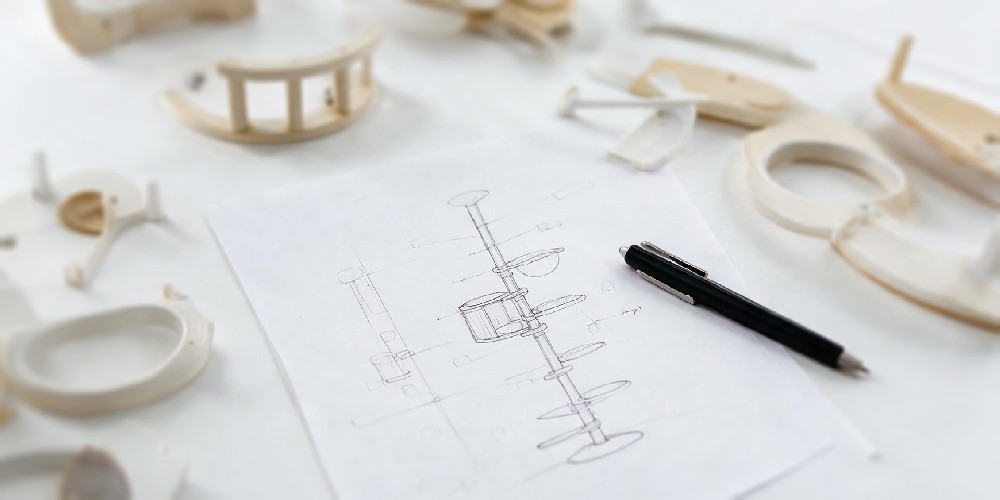
That question is the starting point of our modular cat tree project. The core development module comes down to one phrase: human-pet shared furniture.
Design Logic: A Cat Tree Shouldn't Be a "Pet Corner." It Should Be Part of the Living Room.
Apartments are small. Humans and cats share the same room. Cats need vertical territory. Humans need visual order.
These two needs don't conflict. What conflicts is the traditional cat tree design approach.
Our judgment: a cat tree shouldn't be designed as a "pet product." It should be designed as a module of the furniture.
That's how this modular structure came about: compressed support poles + solid wood platforms.
Material Choice: Compressed Support Poles + Solid Wood Platforms
Compressed support poles handle structure.
Traditional cat trees use paper tubes or plastic poles wrapped in fabric. Over time, they loosen, wobble, and shed. We switched to compressed support poles, which provide stable vertical load-bearing while keeping a slim visual footprint—no wasted space, no blocked sightlines.
Solid wood platforms handle touch and texture.
Cats are sensitive to temperature. Solid wood feels warmer than cold plastic or metal. For the home environment, solid wood platforms echo the floor, cabinetry, and tabletops—letting the cat tree actually "grow" into the living room.
The combination of compressed support poles and solid wood platforms also enables the product's other defining trait: free combination.
Free Combination: The Real Value of Modularity Is Fitting Every Home's Space
Modularity isn't a marketing word. Its practical meaning is: you don't have to compromise for the corner of your home.
Platform count can increase or decrease. Height can be adjusted. Form can be extended.
A small apartment can build a low window-side platform cluster. A living room with higher ceilings can extend upward into a vertical route. Multi-cat households can spread horizontally to reduce resource competition.
More importantly, it can be reconfigured as the home changes. Moving, rearranging, adding a new cat—no need to buy a whole new cat tree. Just adjust the modules.
This is what we mean by "human-pet shared furniture": it serves the cat's behavioral needs while obeying the human's spatial order.
What's Next
The modular cat tree project is currently in development.
The directions we're validating:
Stability of material combinations. The connection between compressed support poles and solid wood platforms needs to stay wobble-free under repeated jumping and long-term load.
The boundaries of modular freedom. How many combinations satisfy personalization without overwhelming the consumer at the point of choice.
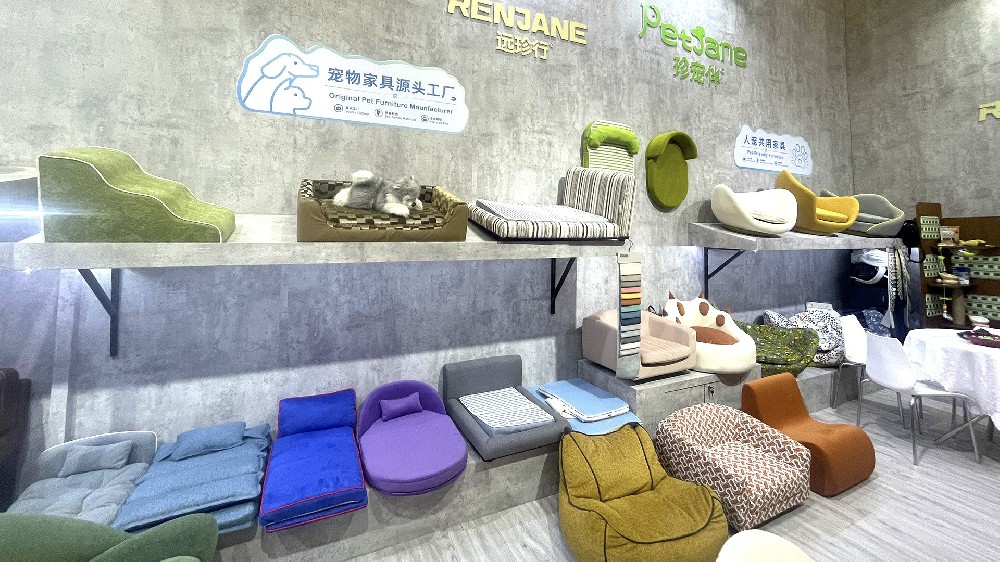
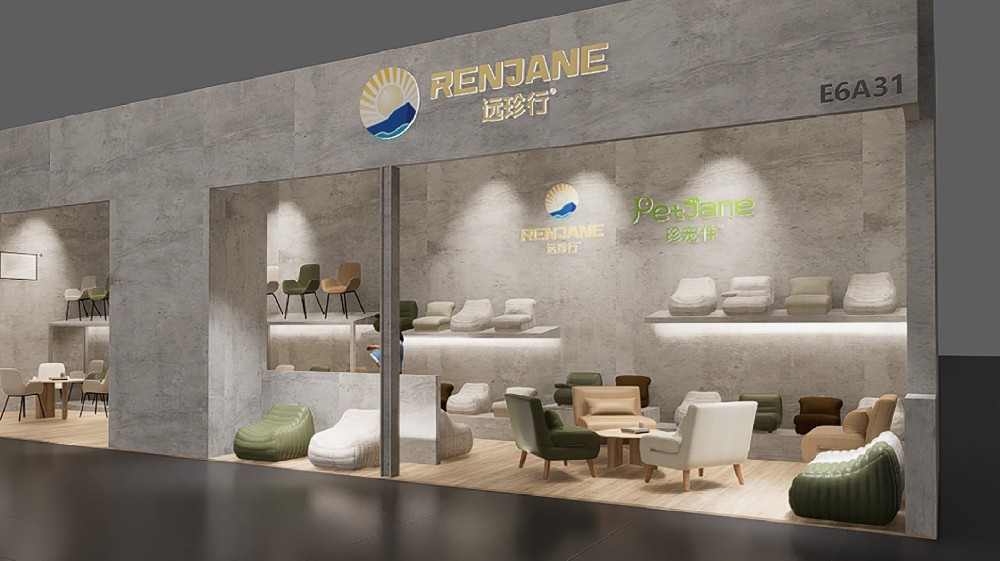
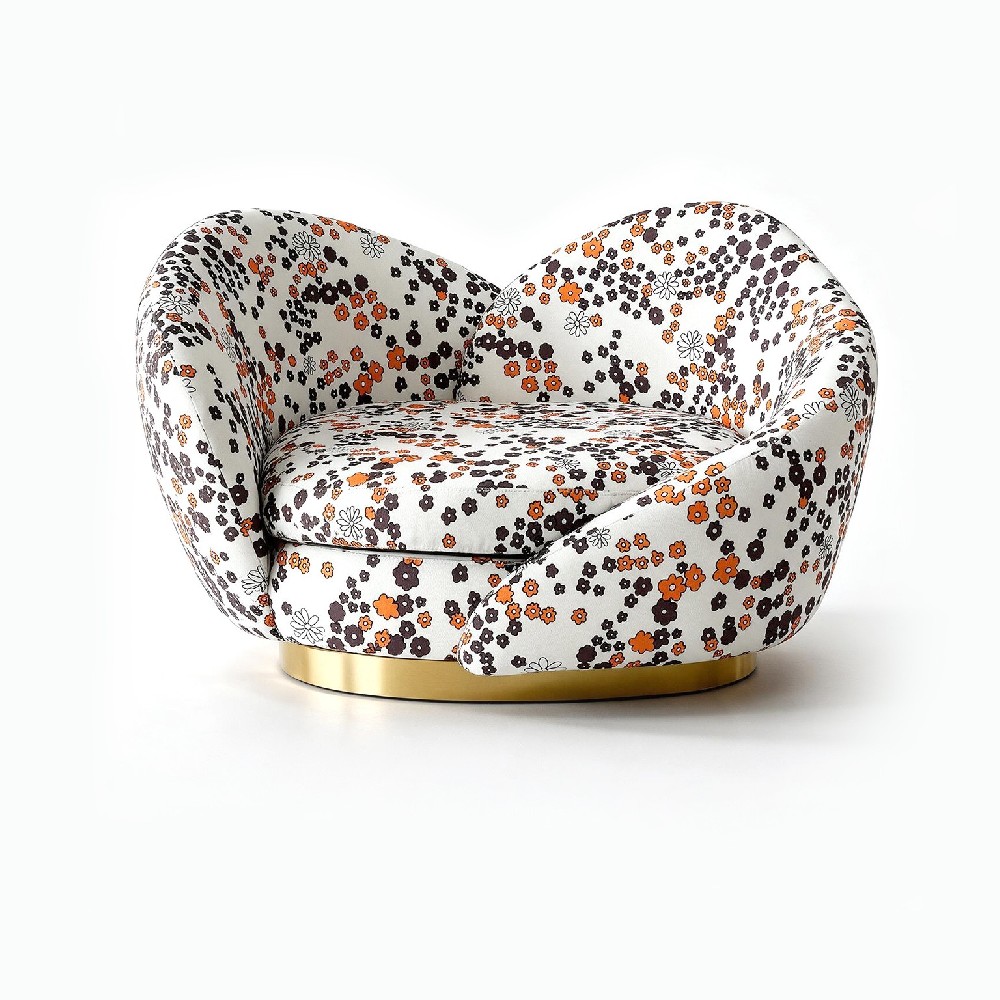
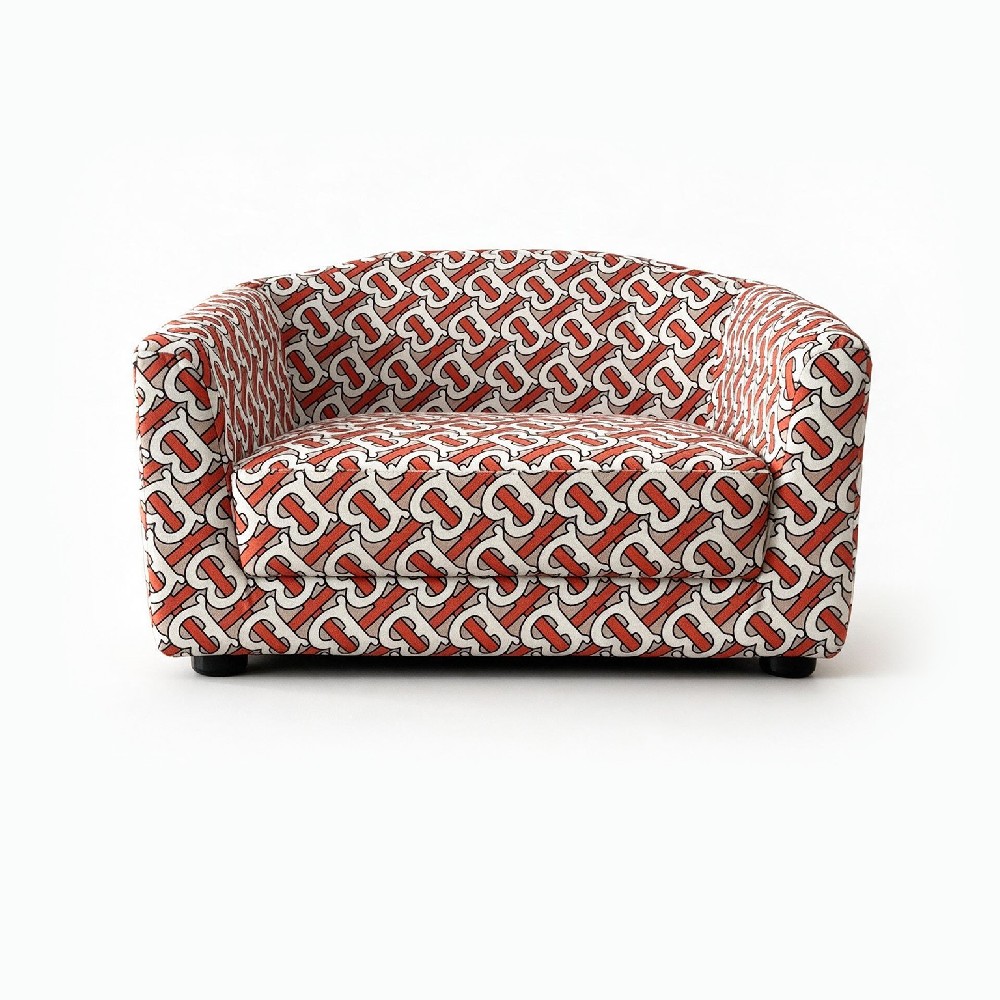
Compatibility with our existing line. Our previously launched Pet Feeder Cabinet and Pet Sofa Collection are also built around "human-pet shared." The modular cat tree will form a complete home pet furniture system alongside them.
The next form of the cat tree isn't taller, more complex, or more feature-packed.
It's more like furniture.