As living spaces shrink, the competition in pet furniture has shifted from "comfort" to "space efficiency." In Asia Pacific, urbanization and apartment living are driving pet furniture growth at roughly 8% CAGR. High-rise apartments in China's first-tier cities often lack balconies and yards, and cats now outnumber dogs—making wall-mounted cat furniture and modular designs the new norm. In Europe, consumers in the UK, Germany, Italy, and Spain also favor well-designed, space-saving products that meet safety standards.
But "space-saving" doesn't mean cramming pet supplies into a corner. True space economics means letting pet furniture disappear into the home—it looks like a cabinet, works as a dining station, and blends into the wall.
That's exactly why we built the Wooden Cat Feeder Cabinet.
One Cabinet, Two Family Members, Zero Wasted Space
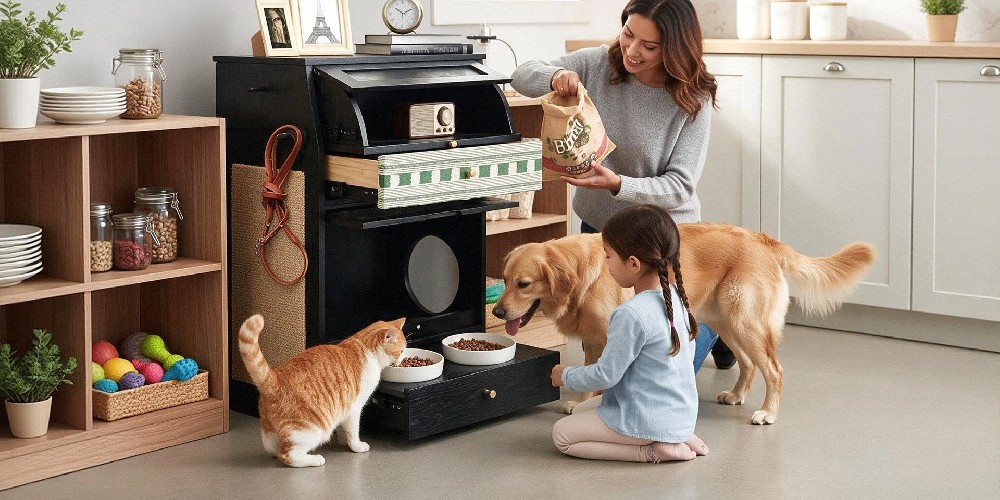
This feeder cabinet is built with a multi-layer solid wood board body, paired with sisal board, metal slides, reeded glass, and fabric decorative panels. It measures L 50 cm × W 46 cm × H 86 cm. It is not a "pet bowl stand placed in the living room"—it is human-pet shared furniture: upper cabinet storage, a mid-level pet dining area, and a lower drawer for food and treats.
The Winning Move in Space Economics: Make Pet Supplies "Disappear"
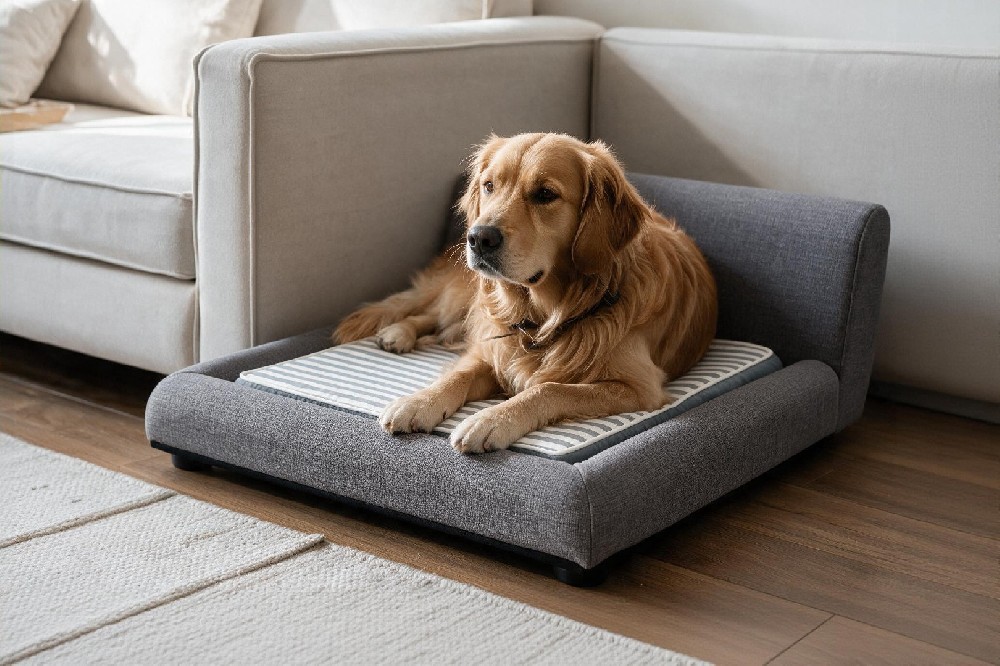
People searching for dog crate furniture aren't buying a cage. They're buying a solution that doesn't sacrifice living room aesthetics.
People searching for pet feeder cabinet aren't just buying a feeder.
They're buying a choice that doesn't force a choice—between pet convenience and home looks.
When pets upgrade from "fed" to "family," furniture must pass the "looks like furniture" test.
In the space economics of apartment pet living, the winners are always the designs that make pet supplies disappear.